
BICEPS
Brighton Institute Continuing Education Program Series
As a way to meet Brighton Institute’s mission, the board created the Brighton Institute Continuing Education Program Series, or BICEPS, following the institute’s own creation in 2016. Right away, program and event planning ideas burst forth with suggestions ranging from large community events to intimate educational venues. Some of these events have included invited presenters, speaking about a range of topics. Since its creation, there have been over one hundred BICEP events.
Check the Events Calendar for future BICEP events.
Recaps of 2026 BICEPS Events
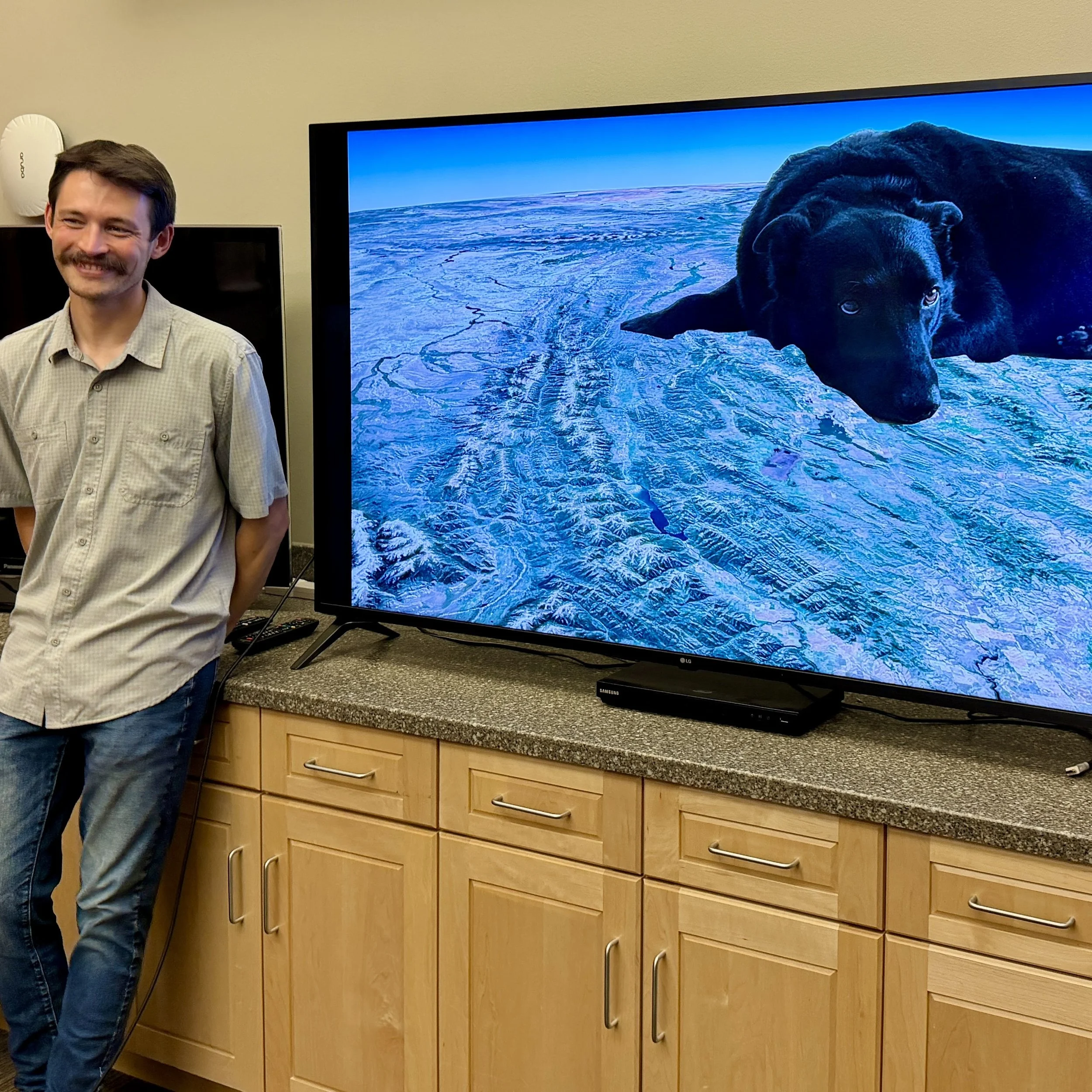
The Geology of Big Cottonwood Canyon
University of Utah grad student Harrison Patton and his trust Lab Assistant (a sturdy Black Lab dog) led our group about thirty on a virtual geological tour up the canyon. The Cottonwood Canyons begin with a thick layer of brown rock known as the Big Cottonwood Formation, which was laid down by ancient seas extending across the valley to the lake. Old Lake Bonneville was a recent remnant of those ancient seas.
At one point, a cold spell gripped the entire globe, turning it into Snowball Earth where everything was under a sheet of ice. As the ice melted, glaciers and rivers formed to carve out our canyons.
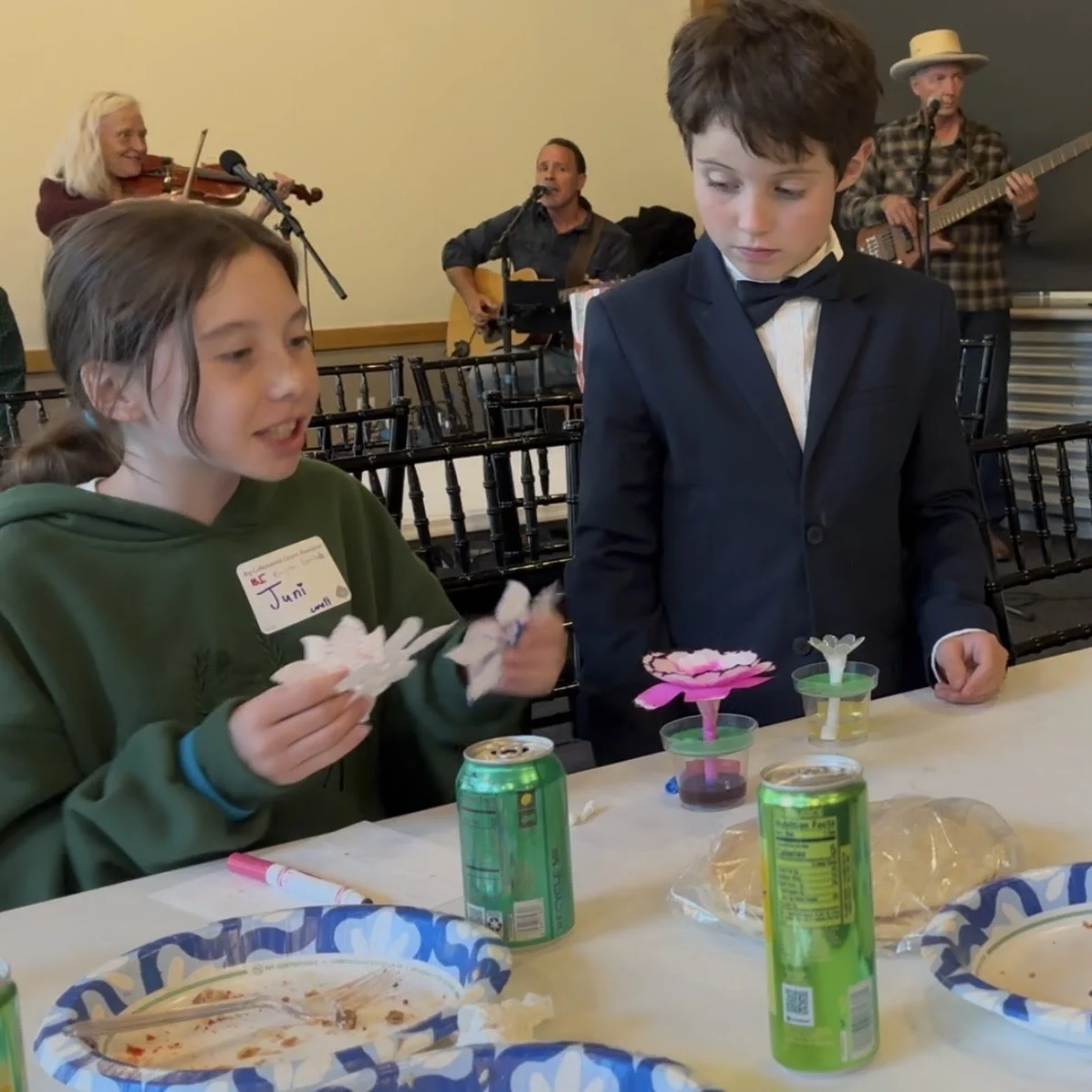
Brighton Community Picnic
Who knew that the community picnic would bring in wind and heavy rain, even a tornado up in Ogden. The Milly Chalet’s sturdy roof and gracious hospitality lent a good measure of merriment and hospitality to the gathering. Lise Brunhart’s spirited band set a lively pace as historic Brighton photos played on the walls above them. A generous pot luck buffet made everyone feel cozy and happy. In addition, there was a lively trivia competition, outdoor games, and kids’ crafts. Thanks to Nicole Merges, Joan Hadley, and Kim Doyle for organizing and hosting the First Ever Brighton Picnic on September 18th.
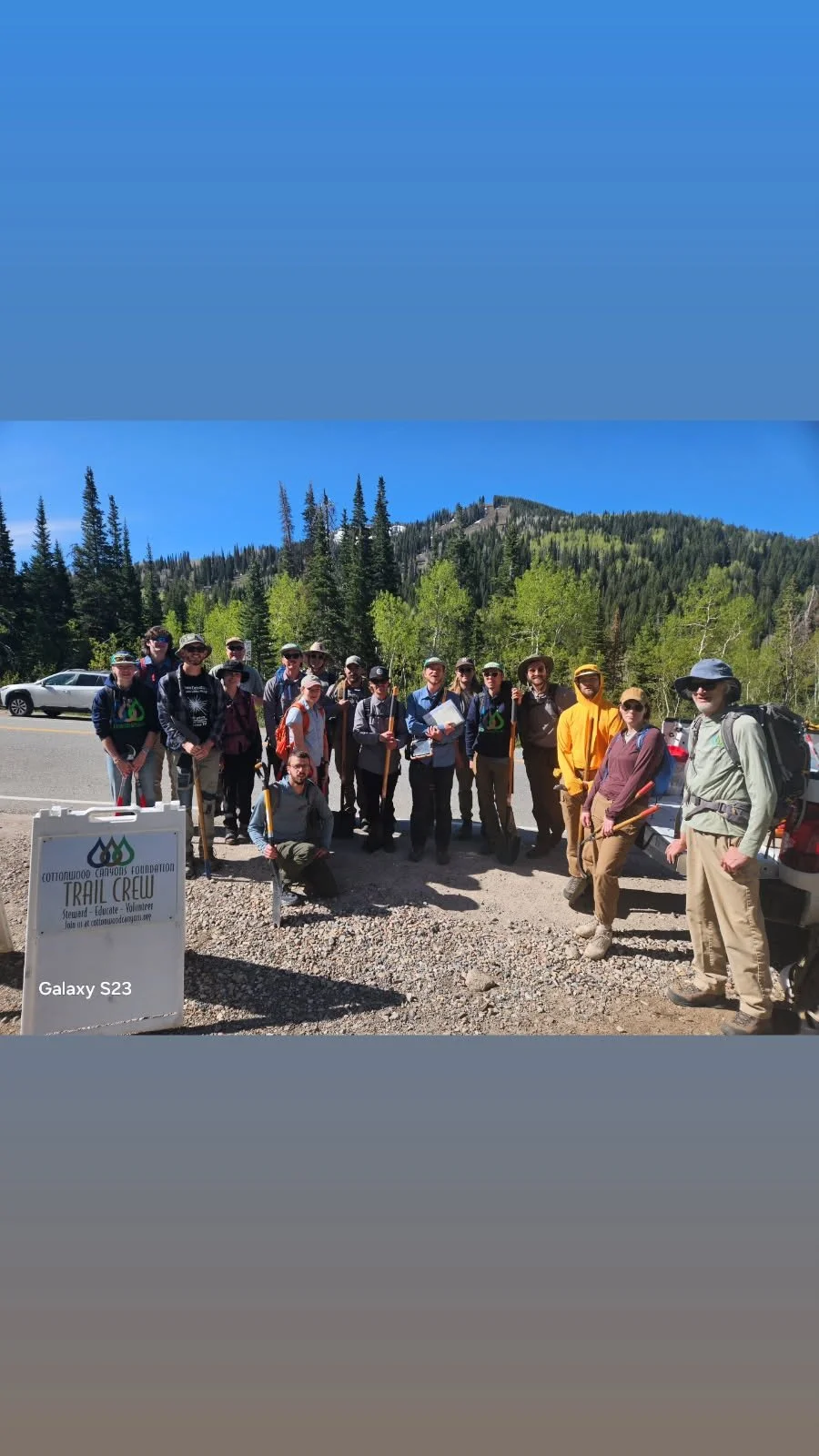
Beaver Dam Analog (BDA) Maintenance
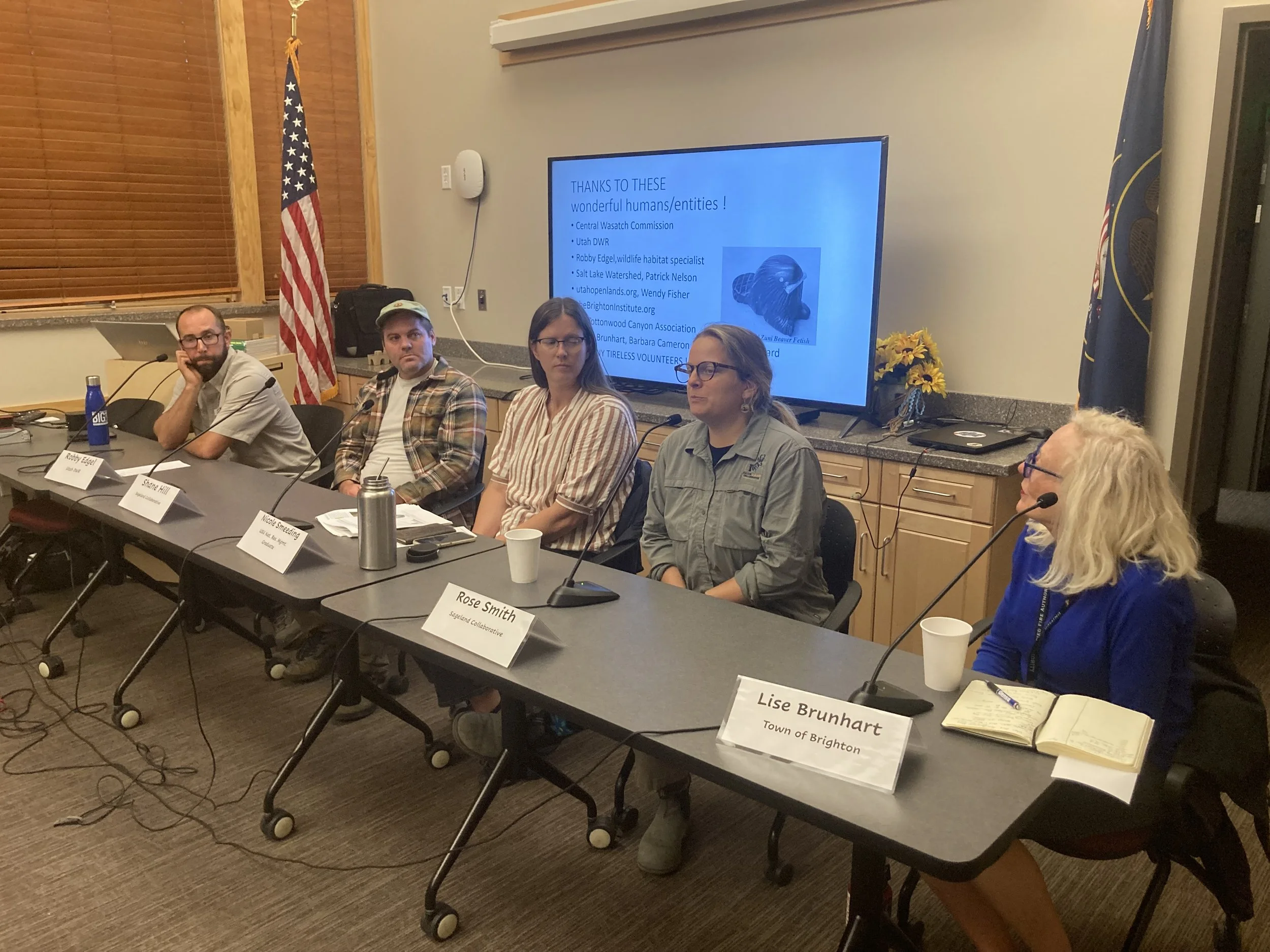
On Saturday, May 23rd, 2026, Brighton Institute trustee Lise Brunhart, nineteen volunteers from Cottonwood Canyons Foundation, and four Big Cottonwood Canyon locals, Nick Sieckowski, Katherine Ladig, Marcus Hall, and Ulrich Brunhart spent the day restoring the BDA structures in the Willow Heights area.
In total, 108 hours of manual labor was devoted to these BDAs in one day!
Along with restoring the Beaver Dam Analogs, the group also planted willows in and near the BDA structures to help maintain them.
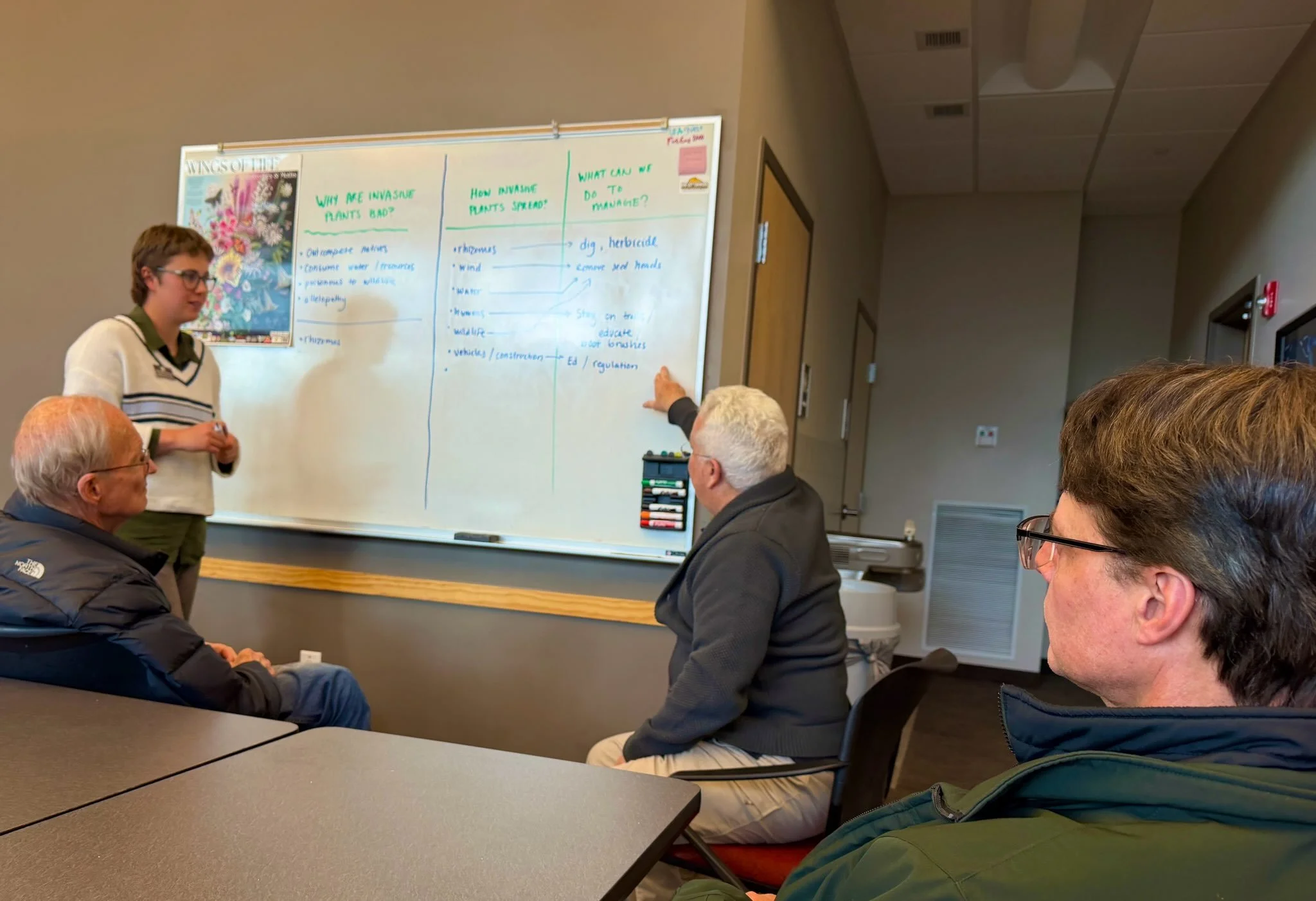
What, When, and How to Pull
On Tuesday, May 19th, 2026, the Brighton Institute invited Cottonwood Canyons Foundation’s (CCF) Plant Stewardship Director Ella Abelli-Amen to come discuss the best strategies to manage invasive weeds around our mountain homes and within our community with Big Cottonwood Canyon locals.
What Species Are Invasive?
Houndstongue
Oriental Clamatis
Money Plant/Honesty
Dyer’s Woad
Phragmites
Myrtle Spruge
Thistles: Canada, Musk, and Scotch varieties
Garlic Mustard
Fuzzy Mullein
If you missed Ella’s presentation or want to learn more about each of these invasive species, click the links below.
What Is Being Done About These Invasive Species?
During her presentation, Ella noted that there are several invasive plants that Cottonwood Canyons Foundation is treating right now, including myrtle splurge. Myrtle spurge, a beautiful but aggressive succulent, that is mostly found in the lower canyon was sprayed last week with blue-tinted herbicide. The herbicide is only potent for four to six hours, so plants are no longer dangerous to touch. Besides the myrtle splurge, all other CCF weed projects use hand removal, not herbicides.
For example, Thistle, Houndstongue, Fuzzy Mullein, Dyer’s Woad, and Phragmites each have blooms that can be hand removed to minimize their spread. She even encourages people to do so whenever they see one in bloom!
What Else Can You Do To Help With Weed Management?
If you are interested in volunteering for events that are essential to trails, plant stewardship, weed management, and restoration goals, please check out CCF’s Plants Stewardship Program to sign up.
Annual Firewise Community Meeting
On Monday, May 11th, 2026, the Brighton Institute and Big Cottonwood Canyon Association (BCCA) hosted the annual Community Firewise Meeting to go over details about how to reduce wildfire risk as well as hear updates about fees, home assessments, and resources for complying with the new State Wildfire Maintenance Mandate.
What Were The BIG Take Aways?
Your wildfire risk assessment will be from the work you do on your own individual property. Your rating and fee will NOT reflect the condition of adjacent properties.
The assessments are voluntary and must be requested by the homeowner. To make a request, go to the Wildfire Risk Assessment website, click on the “Go To Map” button, and then type in your address.
However, if you don’t request an assessment, your fee will default to the highest fee and rating level. Fees will begin in January of 2027.
The Utah Forestry Fire and State Lands (UFFSL) is hiring and training all Wildland Urban Interface (WUI) assessors. They will also be publishing the Home Hardening Guidelines soon.
How Can You Help Reduce Wildfire Risks?
Don’t start a campfire on a windy day. If you are concerned about someone else’s campfire, contact Unified Police Department (UPD) or the Forest Service District Office at 801-733-2660 (daytime only).
Remember that “dead and down” trees are a fire hazard, while “dead and standing” trees are an ember hazard. Either way, remove the dead.
Make sure your driveway is accessible by fire engine by keeping them clear and keeping them wide. “The further we get from our engines, the less we can do to help.” -United Fire Authority
What Should You Do If There Is A Wildfire?
In the unlikely event that a forest fire occurs, DO NOT TURN ON YOUR WATER HOSES as this will drain the water systems in the area.
If you need to evacuate, remember to take the FOUR P’s: “People, Pets, Prescriptions, and Pictures”.
This is a list of businesses in Brighton that can help with the assessment requirements.
-
Silverfork Local: Andonis Pavlantos
801 - 891 - 2588
June 10th, August 10th: Crane removal days for large dead trees
May 25th, June 22nd, August 17th: Track lift and tree climbing days for hard-to-access removals
September 14th: Tree transplanting, ladder fuels, and beetle treatment day
-
Silverfork Local: Inacio Lopez
801 - 815 - 5976
-
Silverfork Local: Brandon Jesewitz
407 - 920 - 2589
-
801 - 330 - 1335
-
Silverfork Local: Anders Carlson
385 - 318 - 9804
-
Brighton Loop Local: Brody Nell
570 - 470 - 8312
-
Silverfork Local: Daniel Schlehuber
801- 558 - 6836
-
Vinny and Tim Neilson
Vinny: 801 - 330 - 3302
Tim: 801 - 330 - 3300
Contact for heavy lifting and digging.
So far, these companies will still provide home insurance for canyon properties: State Farm, Travelers, NCIP, USAA, Allstate, and American Modern.
Pink Moon Sound Bath and Meditation
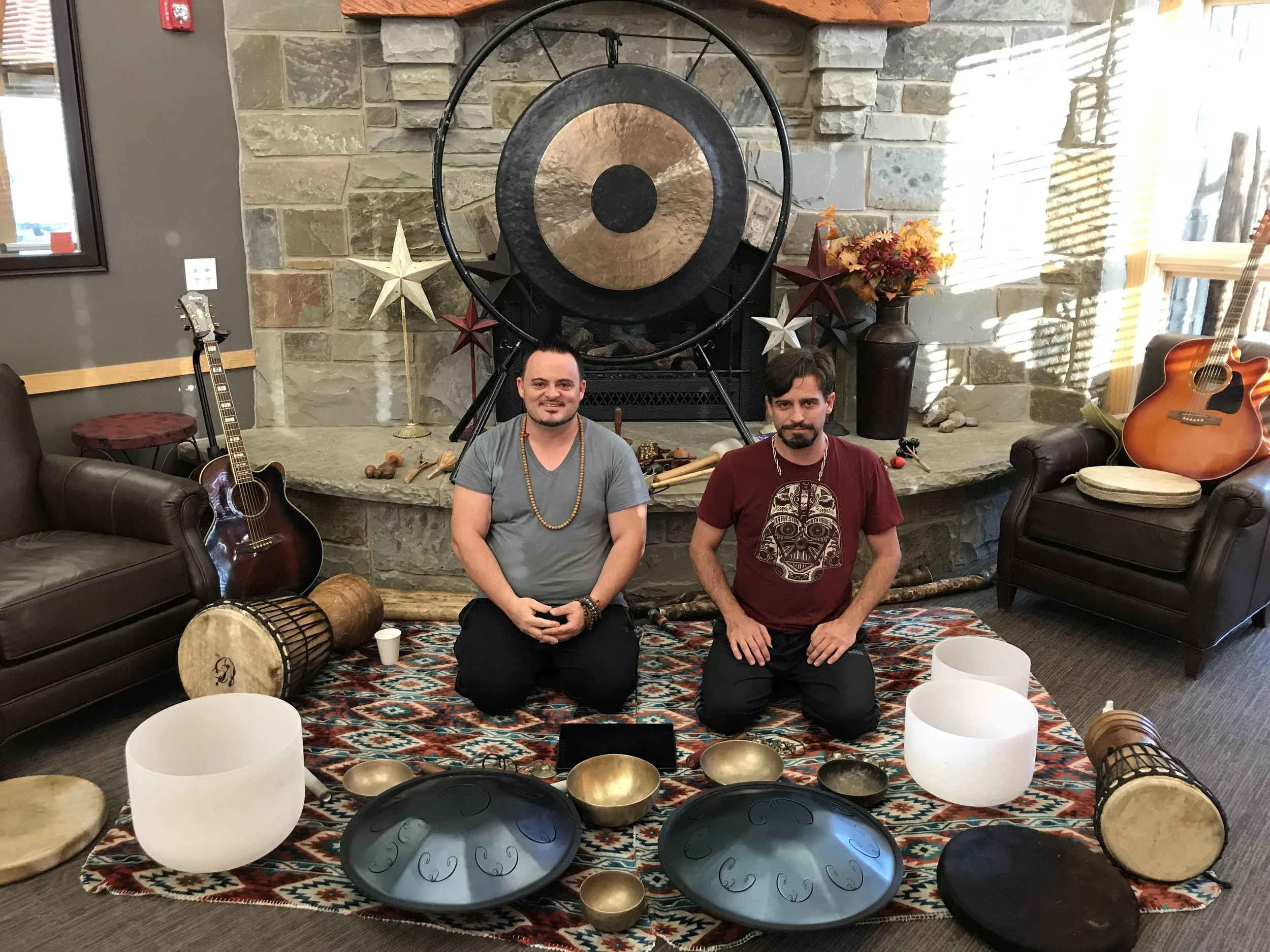
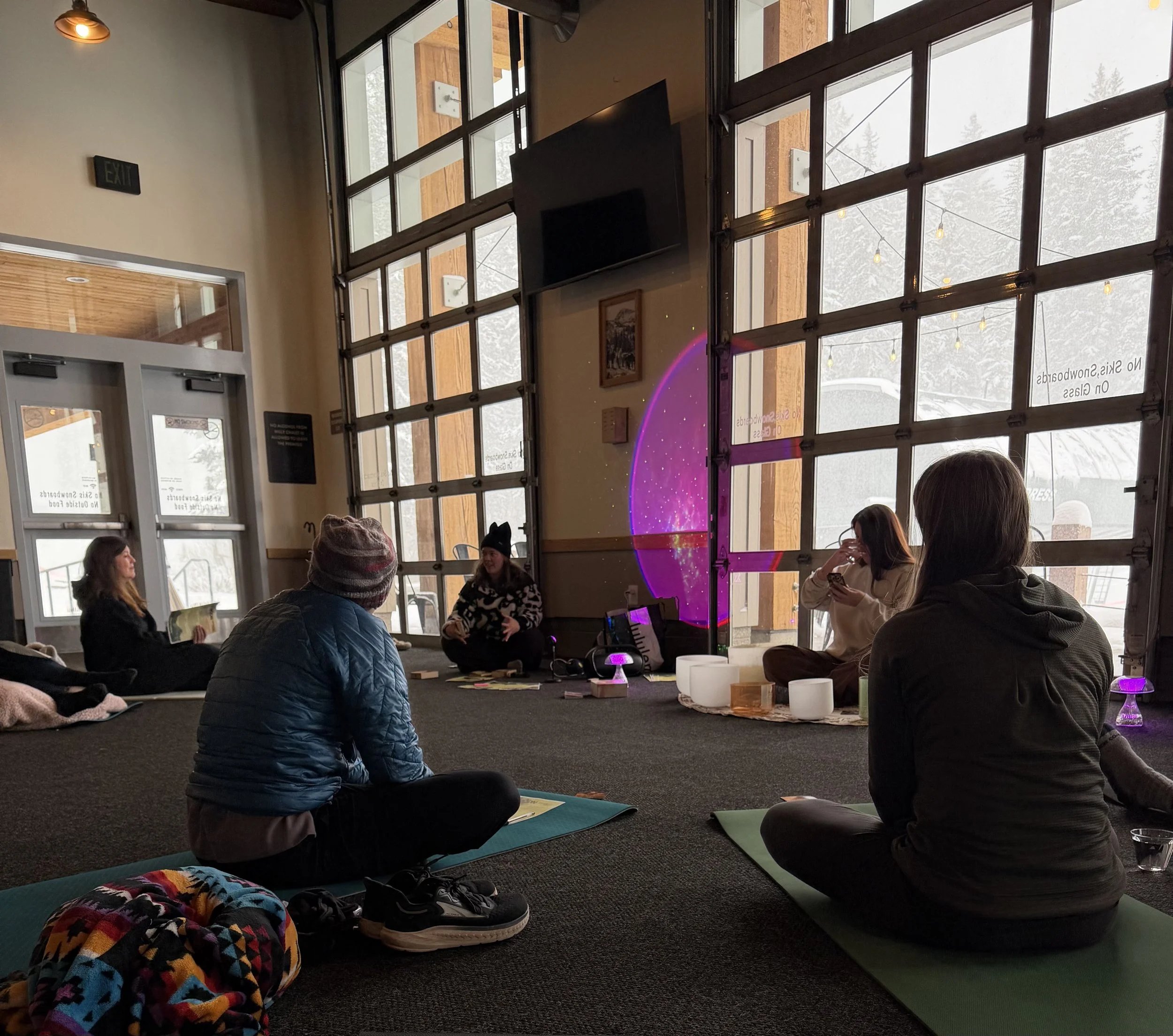
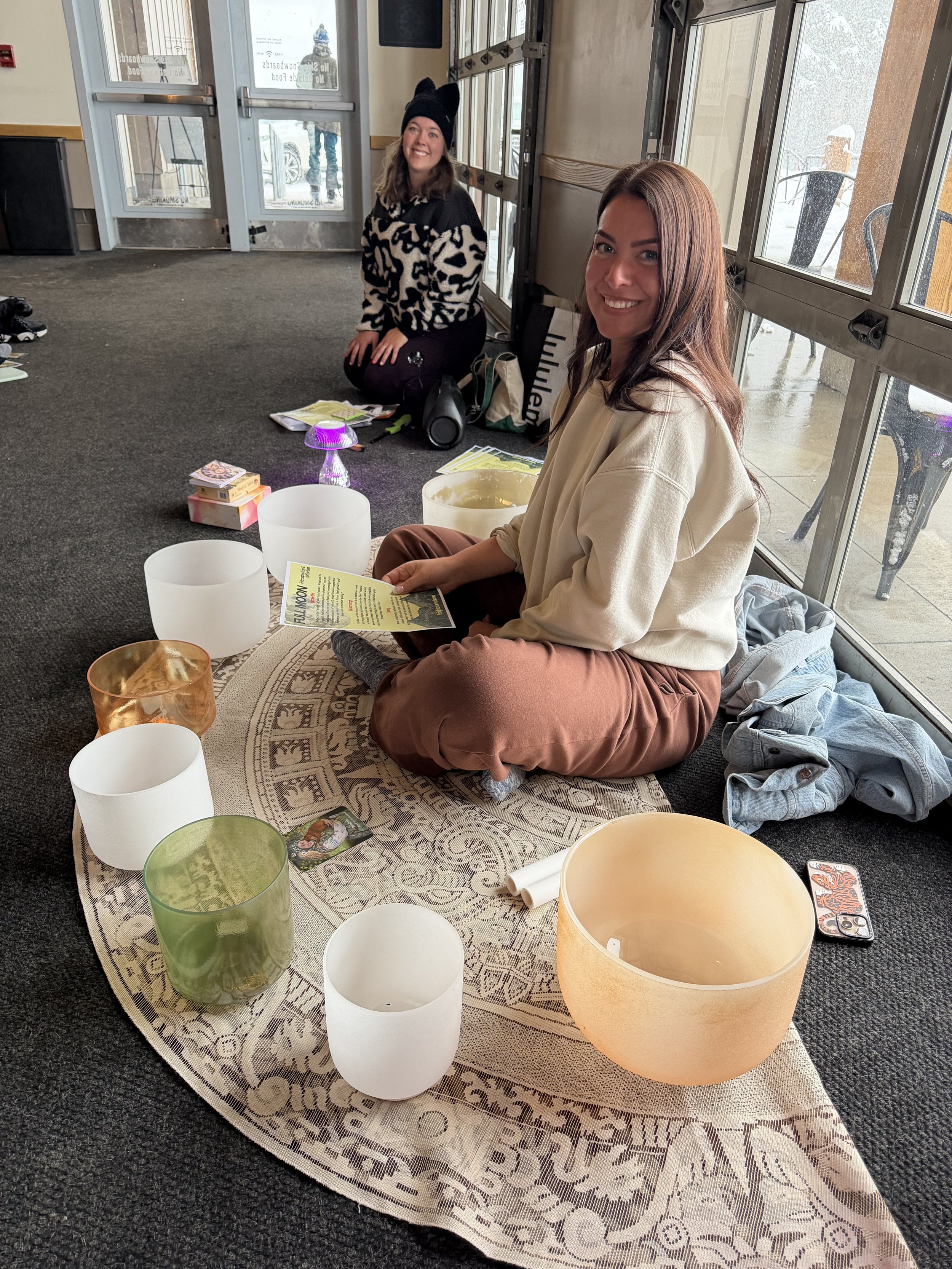
On Thursday, April 2nd, 2026, the Brighton Resort along with the Brighton Institute hosted a Pink Moon Sound Bath and Meditation Event at the Milly Chalet.
What Are Sound Baths?
A sound bath is a type of guided meditation that uses deep sound vibrations — usually made from singing bowls — to help the mind and body. Participants lie down, find silliness, and breathe deeply all while being “bathed” in sound.
What Are The Benefits of Sound Baths?
Encourages deep relaxation
Reduces anxiety and stress
Calms the mind
Improves sleep
Ski Waxing Clinic
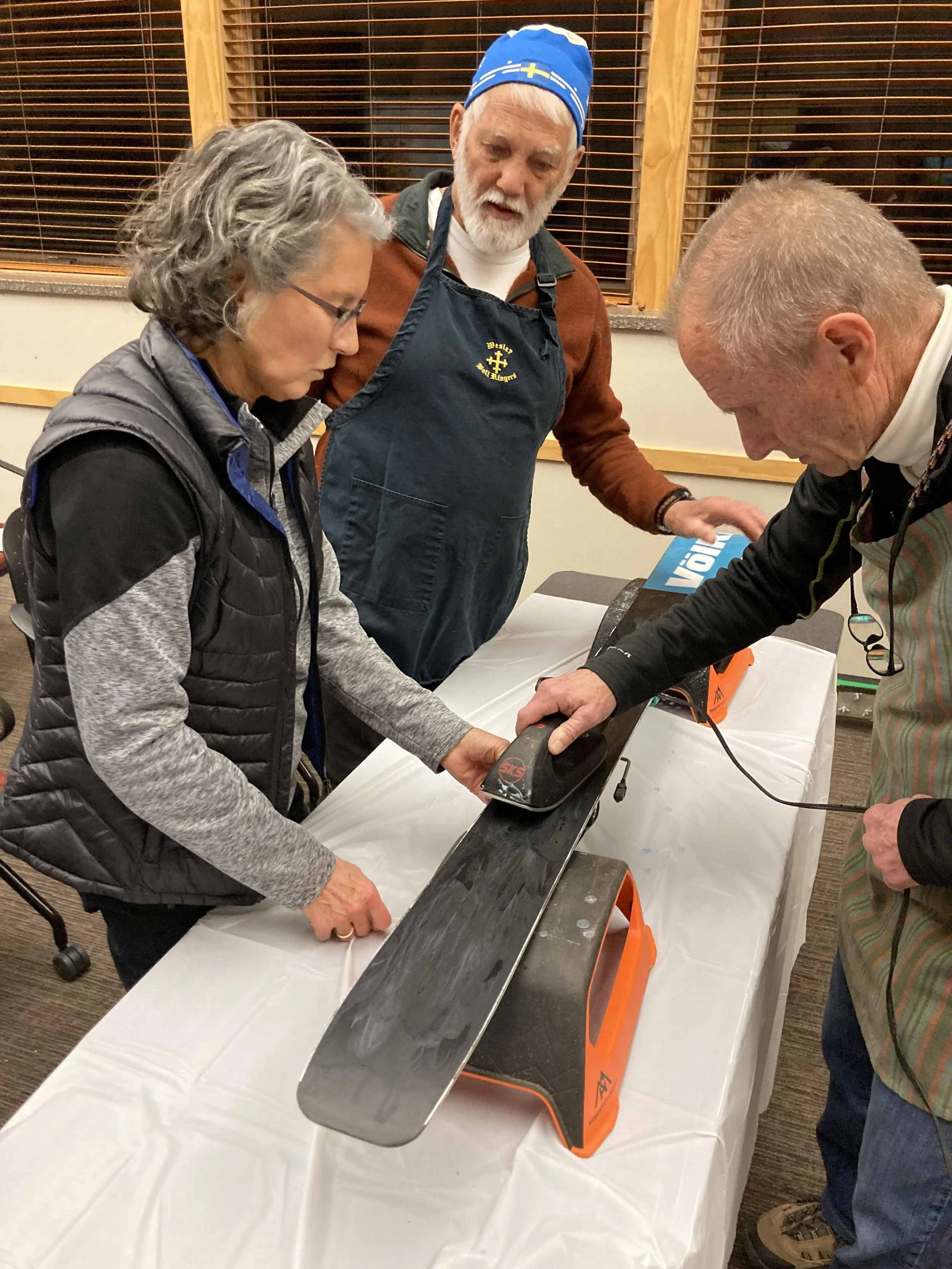
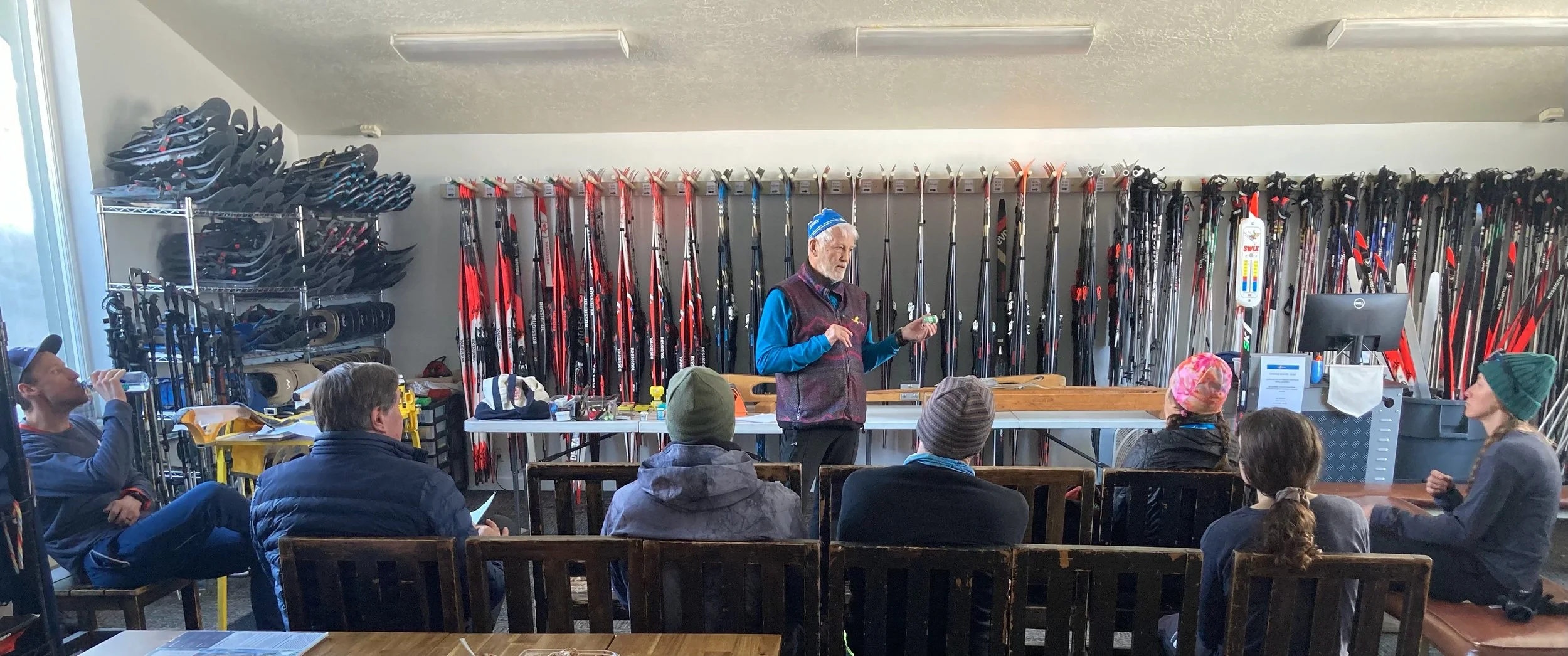
On Friday, January 9th, 2026, local legend and Brighton Institute founder Don Despain taught a Ski Waxing Clinic as part of the Nordic Center Community Day.
During this event, participants learned the ins and outs of waxing their skis in order to keep them in top condition.