
Beaver Dam Analog Events
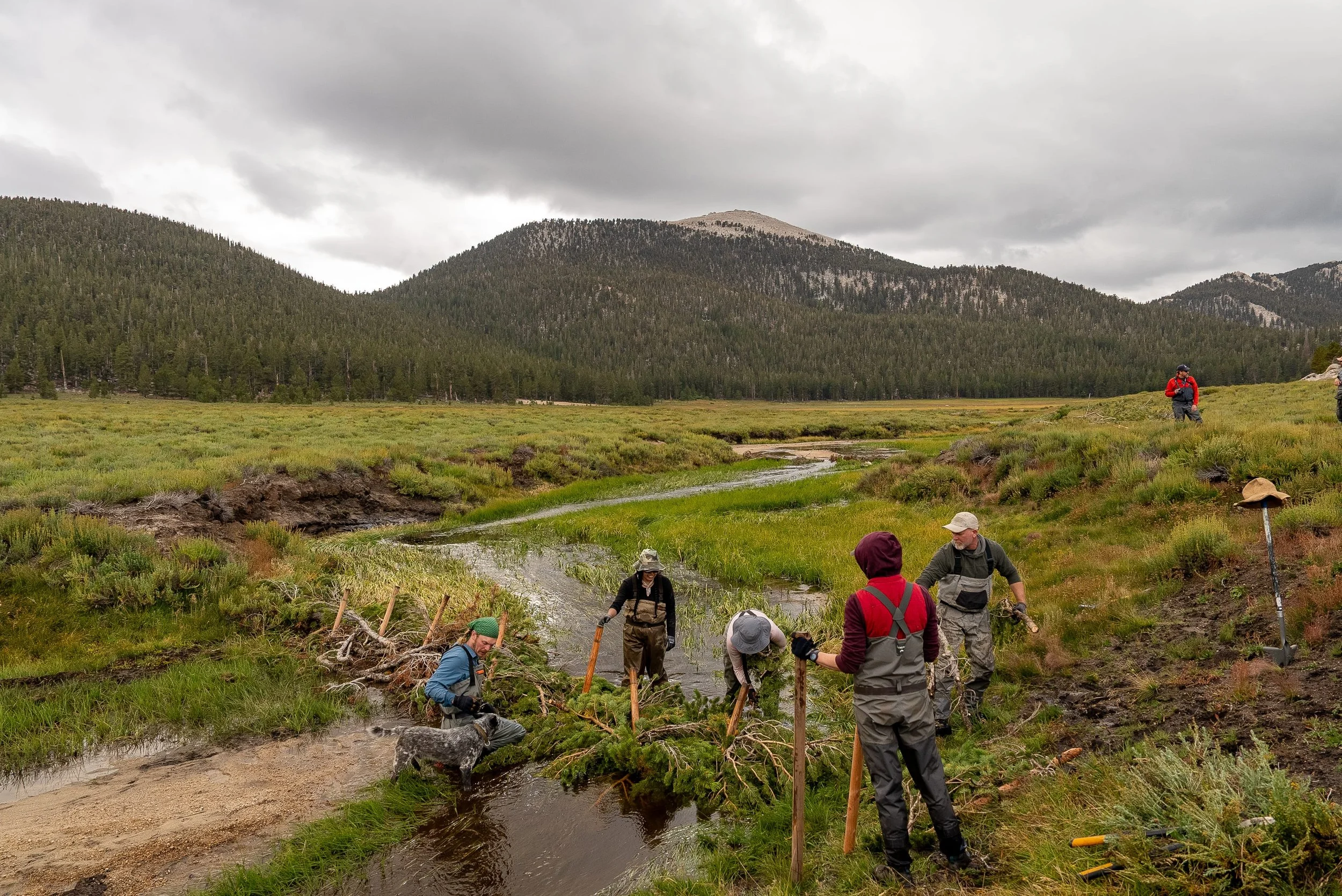
A beaver dam analog, or BDA, is a simple, low-tech structure designed to mimic natural dams built by beavers. They are made from pine posts, which are pounded into the ground across the stream bed at short intervals. These posts are then weaved and filled with branches, rocks and mud, all collected from the surrounding landscape.
Why Are Beaver Dam Analogs Important?
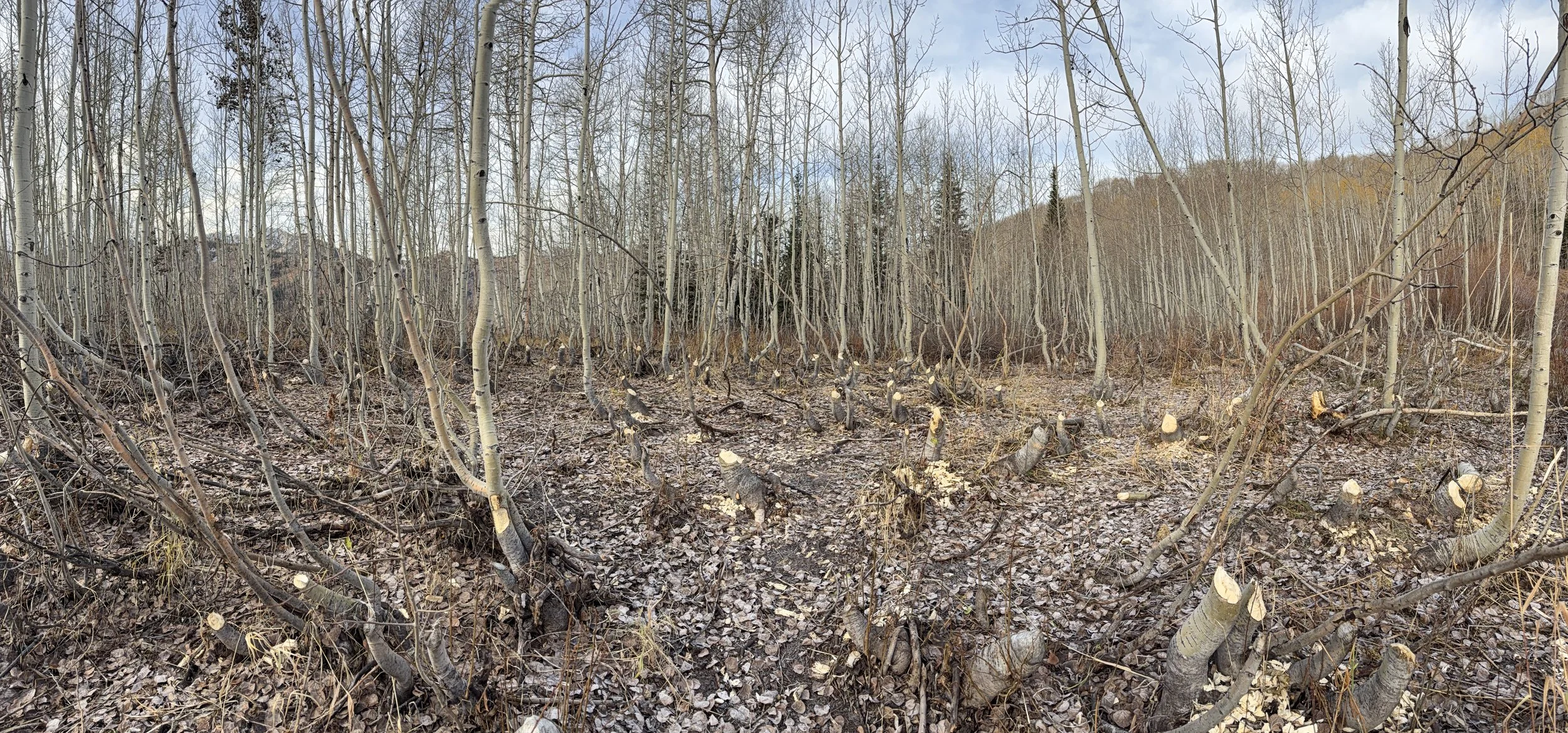
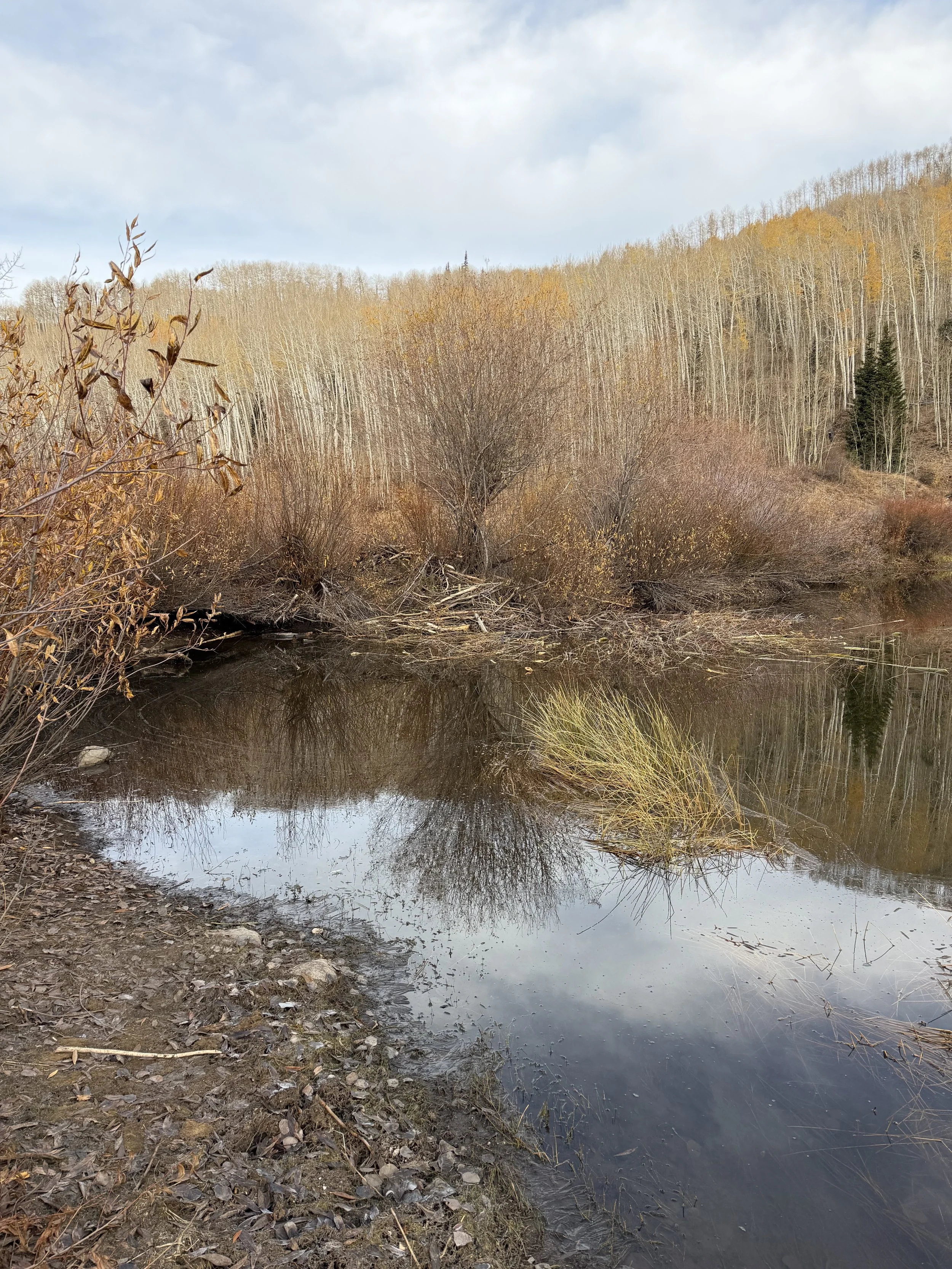
BDAs help slow down water, especially during spring run-off, which in turn reduces erosion of the banks and the incision of the stream. Water backs up behind these semi-porous structures allowing sediment to settle out of the water column, keeping downstream water clean and clear (great for the trout in Big Cottonwood Creek)! Over time BDAs help recharge the ground water, reconnect streams to their floodplains and help encourage riparian vegetation, beneficial for all local wildlife.
What Are Beaver Dam Analog Events?
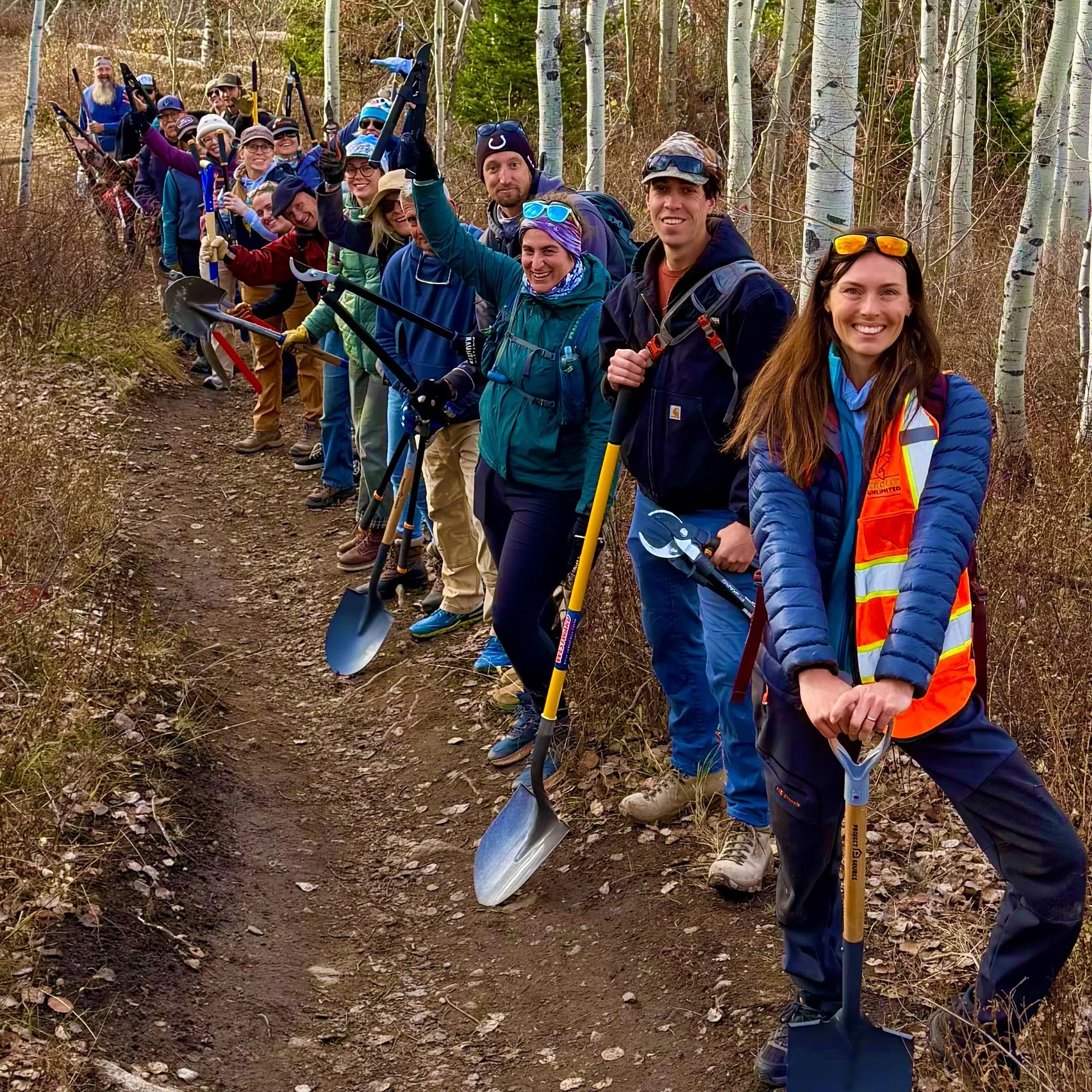
During a Beaver Dam Analog event, volunteers will hike tools to the work sites, help gather materials, such as dead and downed tree branches, and learn BDA construction techniques. The work involves weaving natural materials within and against the preinstalled posts to create structures in the steam channel. Winter events are considered “dry builds” of the structures, while spring events involve maintenance once the water returns to these areas. These opportunities offer volunteers great learning conditions and hands-on watershed restoration experience.
How Has The Brighton Institute Helped With Beaver Dam Analogs?
How It Started
Inspired by a BICEPS lecture on beavers and Beaver Dam Analogs by Wild Utah in 2018, Lise Brunhart, one of our trustees, saw BDAs as a pathway to restoring the Willow Heights pond.
In 2021, Lise wrote and obtained a Small Projects grant from the Central Wasatch Commission, or CWC, for $1,500 to be used to purchase equipment and materials needed for building BDAs. Even though delays in permitting held up the project, twenty-five Beaver Dam Analogs were finally able to be built in the upper Willow Height Creek on May 21st of 2022.
None of this could have been conceived nor executed without the expert advice and physical help of Robby Edgel, Ph.D., a wildlife habitat biologist for the Utah DWR. He digitally mapped the location of each BDA and personally drove each of the main posts into the stream bed. Then, a crew from Salt Lake Public Utilities, led by A. Nicole Smeeding, built in the BDAs around Robby's posts in the creek and a small army of Brighton locals all helped gather Willow wands, tree boughs, and sod to weave into the BDAs, which helps hold back the stream flow. Twenty-four hours after the BDAs were completed, volunteers observed ducks swimming in the small ponds!
In the following years, these BDA sites have turned into a lush wetland with pond grasses. The stream beds are less incised, and the creek runs all the way into September.
Our Continued Involvement
In 2022, Lise wrote a second CWC grant for $2,000 to get additional BDA materials. Every May after that, volunteers from the Brighton community and beyond have worked to restore and maintain these BDAs. The Brighton Institute also received $3,000 from the Brighton Resort to help with the construction of future BDAs.
On October 25th of 2025, Kayleigh Mullen and Nicole Smeeding along with a skilled crew from Trout Unlimited installed an additional eight BDAs below the footbridge in Willow Heights Creek in just a few hours. During this build, volunteers from many other organizations and surrounding towns learned advanced BDA-building techniques from Trout Unlimited that can be used next spring in the upper Willow Heights Creek to keep the earlier BDAs robust and intact.
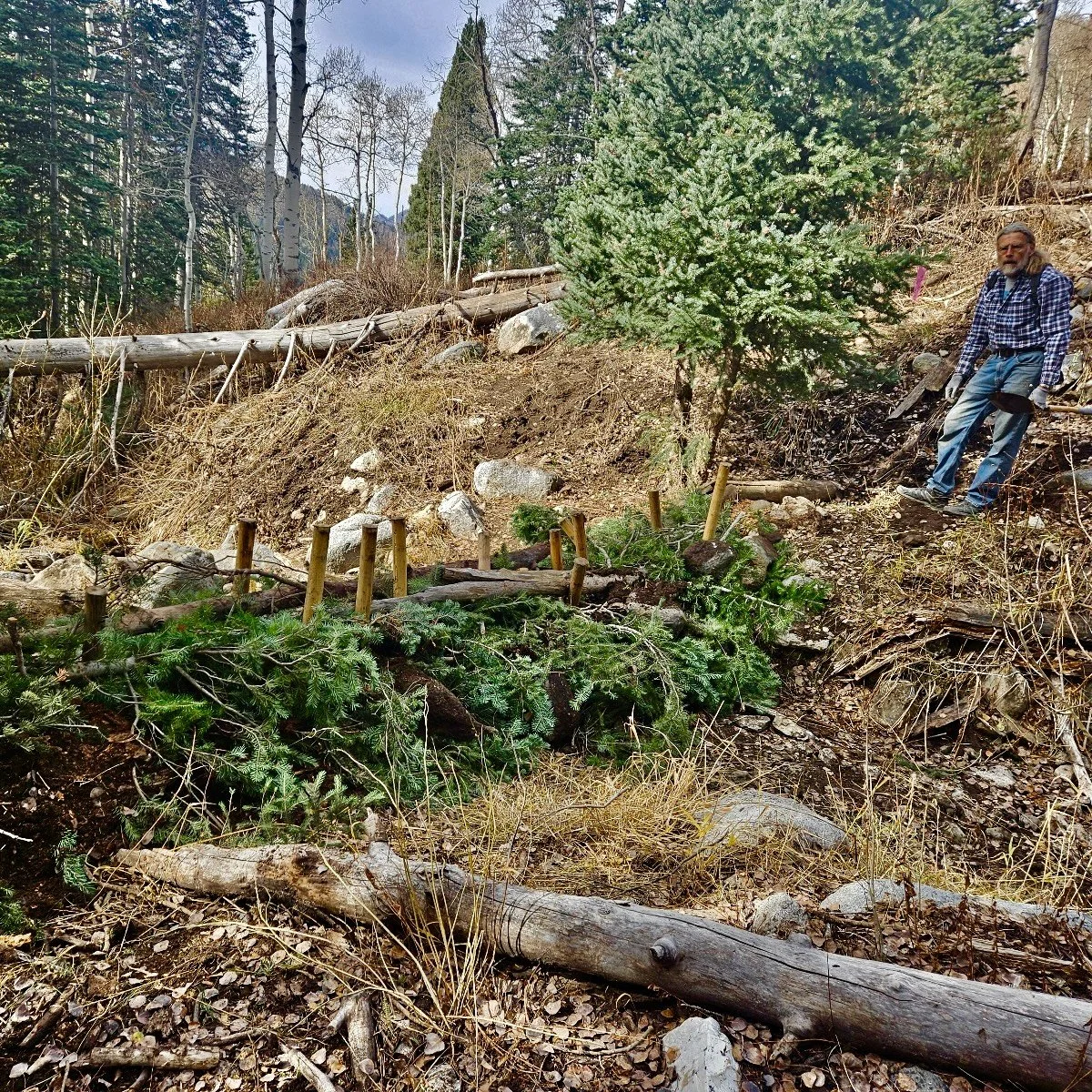
On May 23rd, 2026, Lise, nineteen volunteers from Cottonwood Canyons Foundation, and four Big Cottonwood Canyon locals, Nick Sieckowski, Katherine Ladig, Marcus Hall, and Ulrich Brunhart spent the day restoring the BDA structures in the Willow Heights area.
In total, 108 hours of manual labor was devoted to these BDAs in one day!
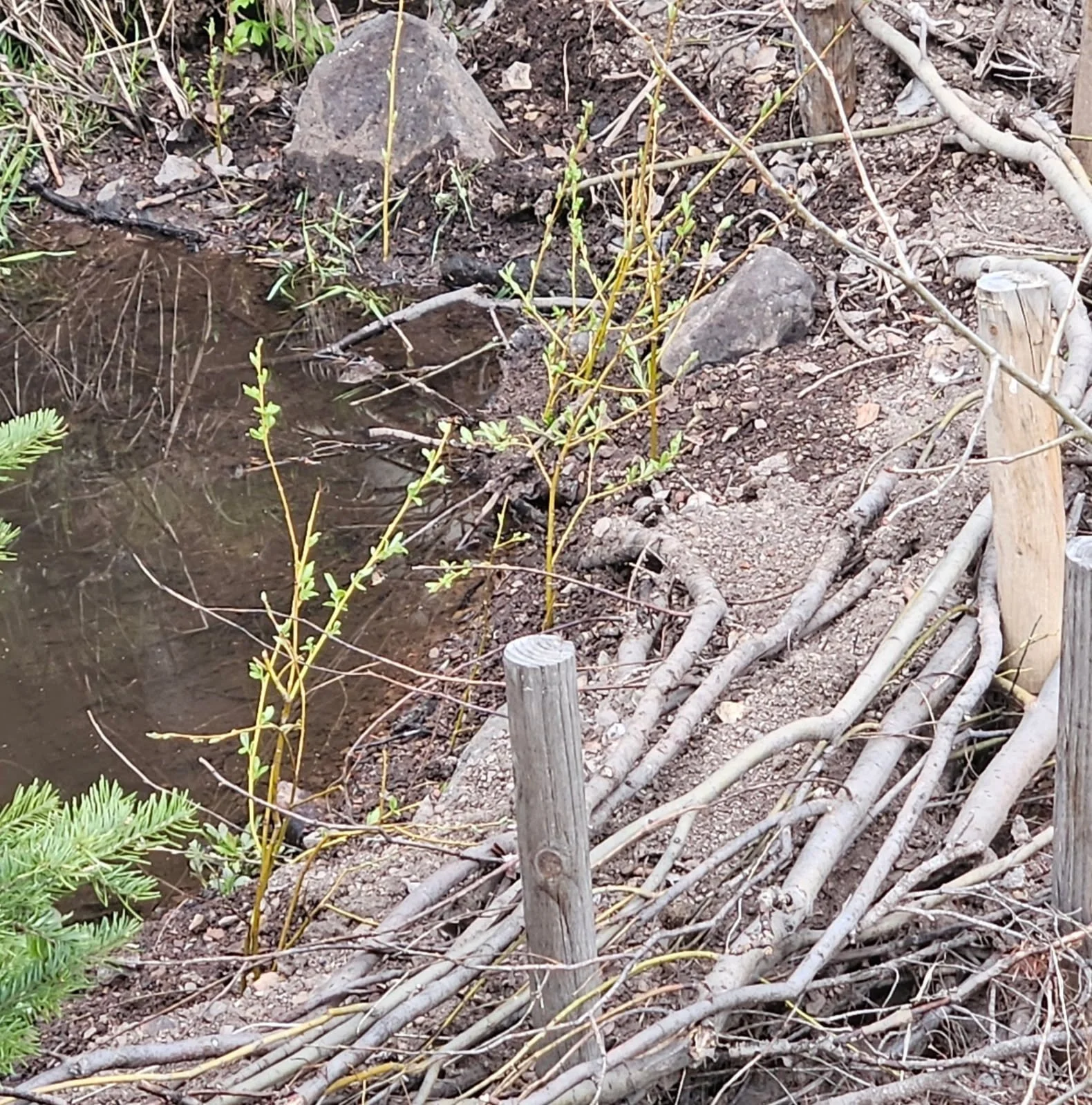
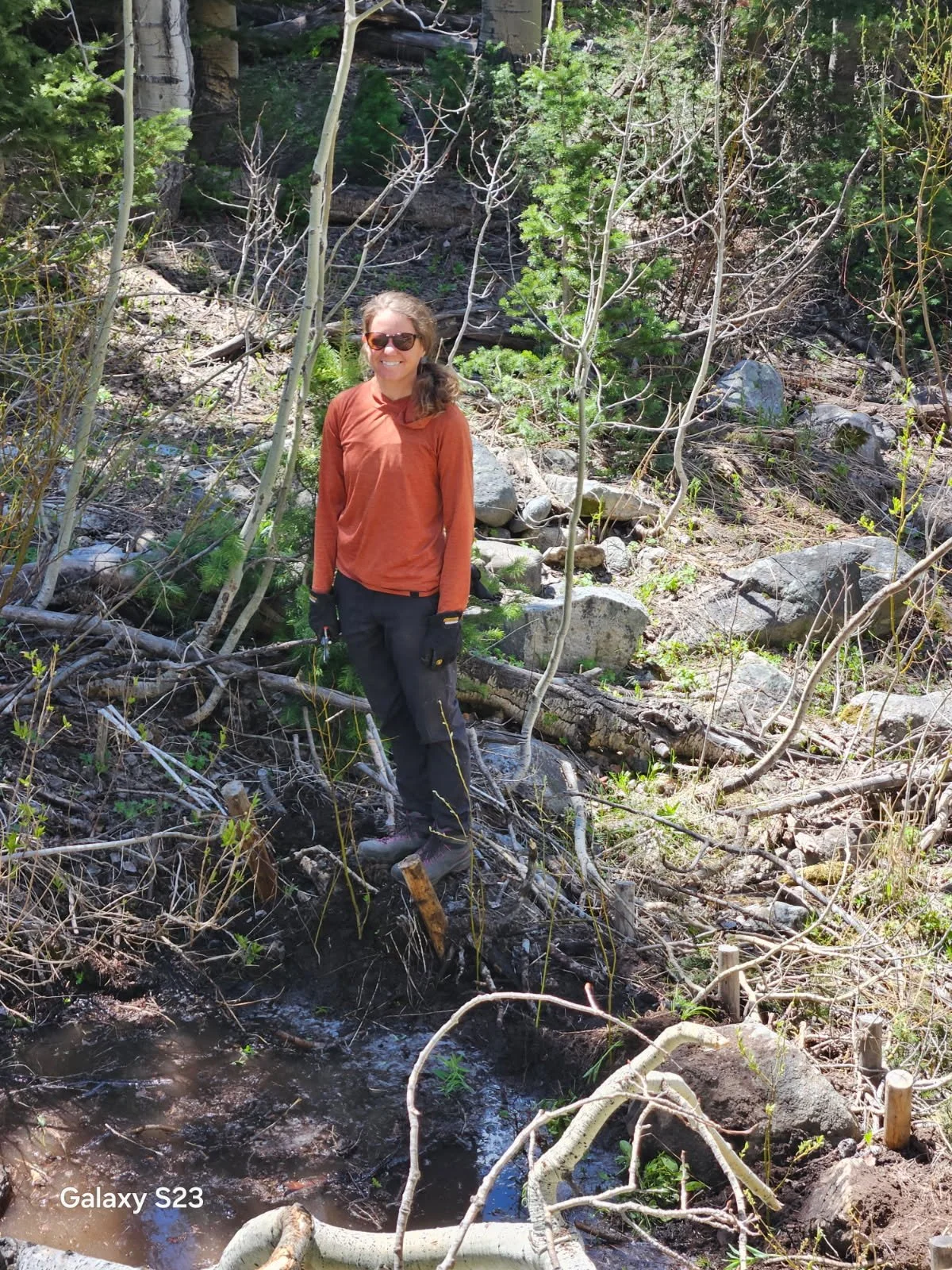
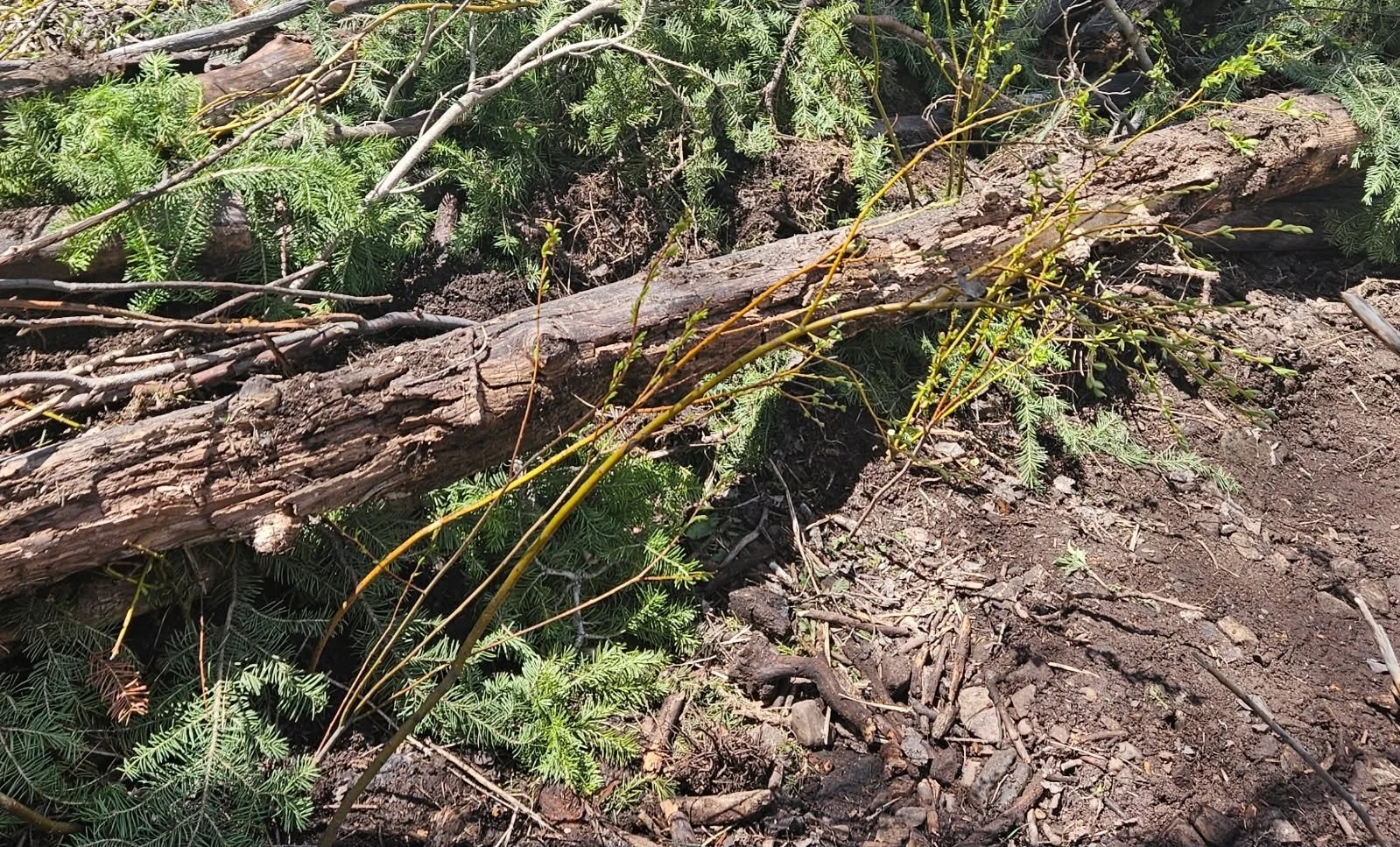
Along with restoring the Beaver Dam Analogs, the group also planted willows in and near the BDA structures to help maintain them.
A Special Thanks To Our Partners. . .






“And a HUGE thanks to Kayleigh Mullen from Trout Unlimited for putting together the 2025 events as well as Kayleigh Mullen and Lise Brunhart for providing our readers with information about BDAs, their role in the environment, and the Brighton Institute’s history with BDAs.”
This Year’s Event Is On Saturday, May 23rd AND Sunday, May 24th.
Subscribe to the Brighton Institute to keep up-to-date on future events, such as BDAs.